

 Mr. Perry Wu International Sales Director


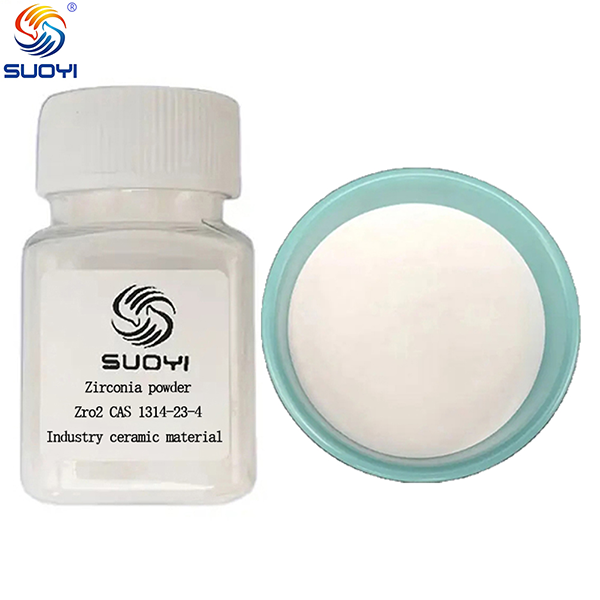
Hebei Suoyi New Material Technology Co., Ltd. produces YSZ yttrium-stabilized zirconia powder.
Hebei Suoyi New Material Technology Co., Ltd. produces YSZ yttrium-stabilized zirconia powder.
Hebei Suoyi, located in Handan Economic Development Zone, is a leading zirconia powder manufacturer. Its monthly YSZ production capacity reaches 200 tons, with ample annual capacity. It possesses self-operated import and export qualifications. Packaging is typically in 25kg plastic drums, but customization is supported.
Specifications of Yttrium-stabilized Zirconia Powder:
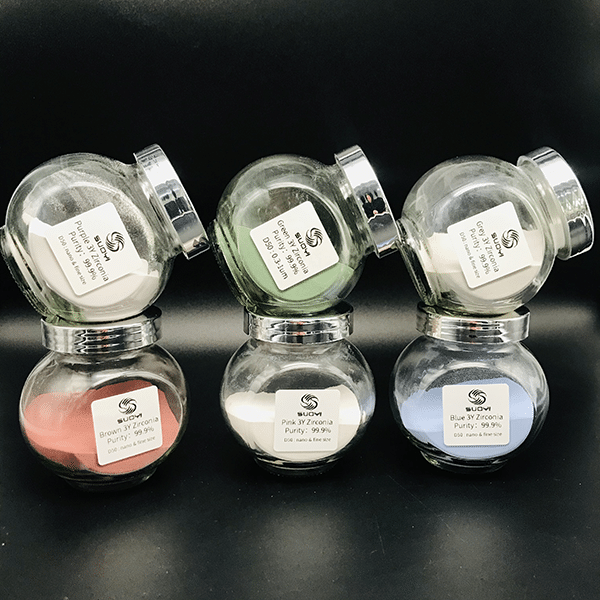
1. 3mol% YSZ (SY-3YB series, dental grade): White powder, 99.9% purity; suitable for denture blocks and dental restorations, featuring high translucency and good strength; minimum order quantity 10kg, FOB reference price $46–67/kg.
2. Black YSZ (SY-YSZ-BL): For ceramic discs, Zr content ≥91.5%; suitable for industrial ceramic parts, FOB reference price $25.7–36/kg, MOQ 2kg.
3. Nanoscale YSZ (50nm, etc.): Used in bioceramics, coatings, and electronic ceramics; narrow particle size distribution, high sintering activity; also available in customized yttrium content versions such as 4mol% and 8mol% (commonly used as electrolytes in solid oxide fuel cells, SOFC).
Core Properties of Yttrium-Stabilized Zirconia Powder
- Crystal Structure: Room temperature stable tetragonal/cubic phase, free of monoclinic phase impurities;
- Mechanical Properties: High Vickers hardness, good fracture toughness, and thermal shock resistance;
- Chemical Properties: Resistant to strong acids and alkalis, excellent biocompatibility (dental/medical grade certified);
- Thermal Properties: Low thermal conductivity, high temperature resistance (melting point approximately 2700℃).
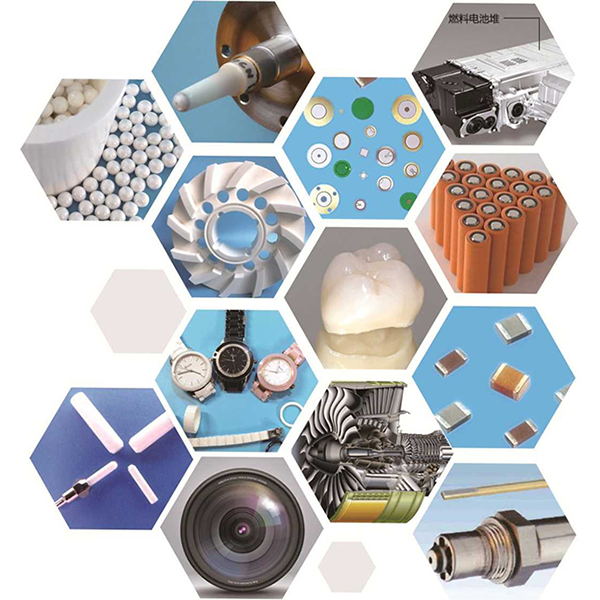
Yttrium-stabilized zirconia powder production process and applications: Utilizing chemical co-precipitation/sol-gel combined spray granulation, particle size and yttrium distribution are strictly controlled. Applications include:
1. Dentistry: Zirconia dental blocks, all-ceramic crowns/bridges;
2. Industry: Thermal barrier coatings, oxygen sensors, SOFC electrolytes, abrasive media;
3. Electronics/Biotechnology: Ceramic substrates, bio-implants.
Purchasing and Quality Control Tips:
- Request COA (Composition Analysis Report), particle size distribution (D50/D90), BET surface area, and XRD phase structure data;
- Note the distinction between dental grade (extremely low heavy metal content, controllable light transmittance) and industrial grade (lower cost, focusing on mechanical/thermal properties);